What to do in the first hour after a wedding venue inquiry
One event inquiry can be worth more than a season of ordinary bookings. Most venues treat it like any other email.
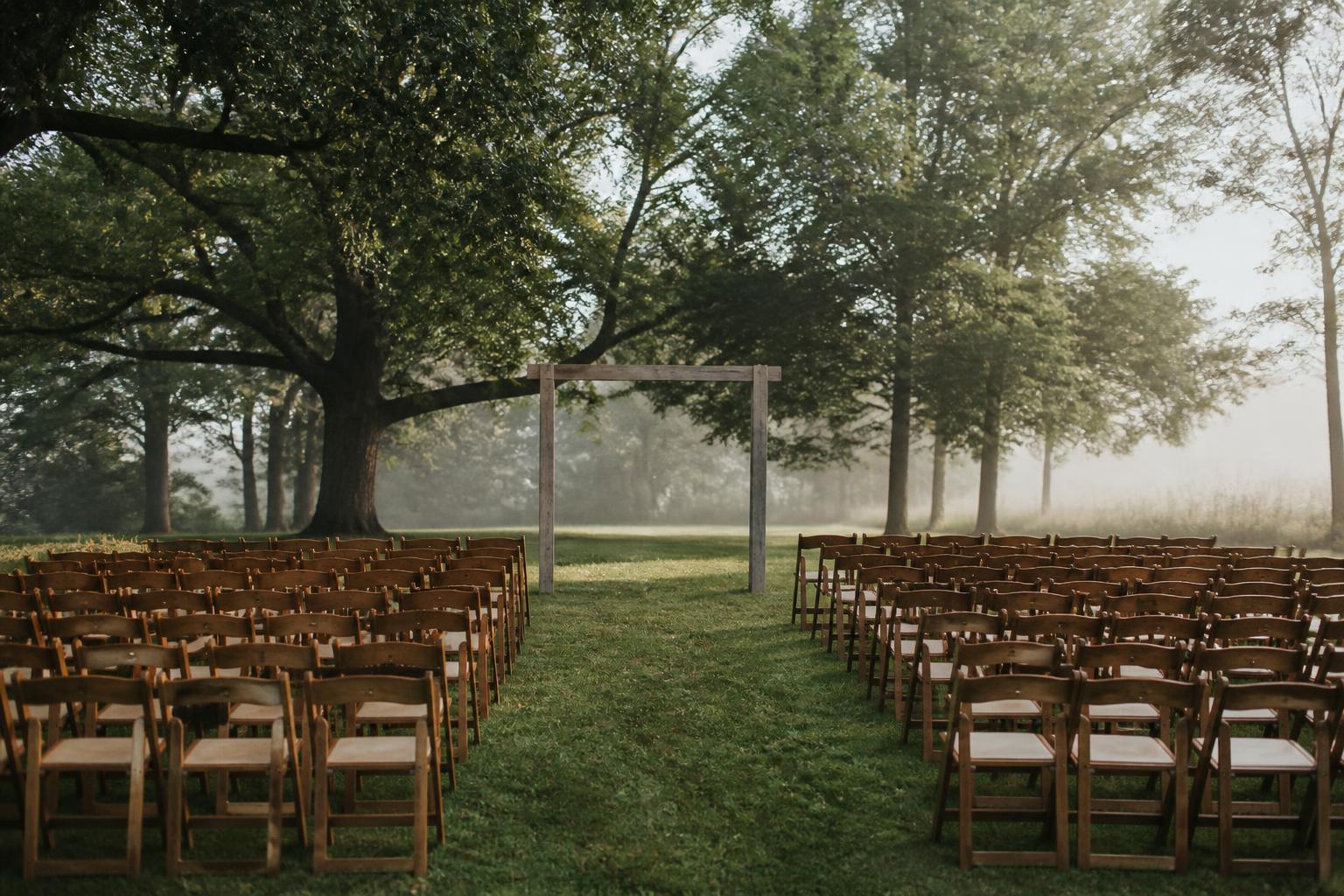
A wedding inquiry lands in a shared inbox on a Friday afternoon. It sits over the weekend. On Monday someone forwards it to the events coordinator, who replies Tuesday with a PDF and a request to schedule a call.
By then the couple has toured two other venues.
The inquiry is worth more than the page it arrived on
It is worth doing the arithmetic once, because it changes how seriously the process gets taken. If your average event is fifteen thousand dollars and you close one in four tours, every inquiry that turns into a tour is worth several thousand dollars in expected revenue.
Very few businesses would let something worth that much sit unattended for three days. Most venues do it routinely, not through carelessness but because the inquiry arrives looking exactly like every other email.
Speed beats polish
The single strongest predictor of who books is who replies first with useful information. Not who has the best brochure, the best photography, or the most beautiful site. Who answered.
Couples inquire at several venues in one sitting, usually at night, usually while the decision feels active and exciting. The venue that responds inside the hour catches that momentum. The venue that responds Tuesday is arriving after the shortlist has already formed.
You do not need a perfect reply in the first hour. You need a real one, from a person, that answers the obvious question and proposes a next step.
Your form is asking the wrong questions
Most venue inquiry forms ask for name, email, phone, event date, guest count, and a message. That gets you enough to write a quote and not enough to write a good first reply.
Two additions change the quality of every conversation that follows. Ask what matters most to them about the day, and ask whether they have a budget in mind. The first gives you something specific to respond to, so your reply reads as a person rather than a template. The second lets you disqualify kindly and early, which saves a tour that was never going to close.
Keep the form short. Every field you add costs you inquiries, so only add fields that change what you say back.
What the first reply should contain
Three things, and it can be short.
Confirm the date is available, or say plainly that it is not and offer the nearest dates that are. Nothing else matters until that is settled, and making people wait for it is the fastest way to lose them.
Answer the price question honestly. Not a full quote, but a range and what drives it. Couples ask other couples what venues cost and they will find out anyway. Being the venue that said so first buys you enormous trust.
Propose a specific next step with specific times. Not "let me know when works for you," which puts the work back on them. Two or three concrete slots, and a link to book directly if you have one.
Where inquiries actually get lost
Almost always in the seam between systems.
The form emails a shared inbox that four people can see and nobody owns. The booking platform holds the calendar but does not talk to the inbox. Someone replies from their own address, so the thread lives in one person's sent folder and nobody else knows it was handled. A follow-up gets promised in a phone call and never written down.
None of this needs enterprise software. It needs one owner per inquiry, one place where the status is visible, and an automatic acknowledgment so the person who wrote to you knows the message arrived while a human gets to it.
The follow-up nobody sends
Most venues follow up once, if at all, then treat silence as a no.
Silence is usually not a no. It is a couple who got busy, or who are waiting on a parent, or who toured somewhere else last weekend and have not decided. A short note a week later that adds something useful, an available date, a supplier recommendation, a photograph from a similar wedding, recovers more bookings than any change you could make to your website.
What to change first
Set up an automatic acknowledgment that goes out inside a minute and says when a real reply is coming. Then make one named person responsible for every inquiry.
That is a workflow change, not a website change, and it will do more for your revenue this season than a redesign.
By Well. Visited.